


A varying thread profile on an expanding tapered body. The brochure states the intent plainly: high primary stability, gradual bone condensing as the implant is seated, and an orientation that can still be adjusted for the prosthetic connection angle you need.
i-Fix Research & development
Material, surface and geometry.
The specifications behind every i-Fix implant, taken from the same catalogue a surgeon orders from: what the body is machined from, how the surface is made, and why the thread is shaped as it is.
01 The material
Grade 5 ELI titanium.
Every implant body is machined from ASTM F136 ELI Grade 5 titanium, the surgical-implant grade of Ti-6Al-4V. IP+ adds Grade 23.
ASTM F136 The standard for wrought titanium alloy in surgical implants, not a general engineering grade.
ELI Extra-low interstitial: less oxygen and nitrogen, so the alloy keeps its fracture toughness in thin sections.
Grade 5 / Grade 23 Grade 5 across the range; Grade 23 additionally specified for the IP+ Series.
02 The surface
Nano Bio-Activated.
Developed with Psilox AB in Uppsala, Sweden. The titanium is modified in two ways at once: its nanotopography, and the surface charge that texture carries.
Psilox AB — Uppsala, Sweden Nano Bio-Activated surface technology. The surface is credited to Psilox on every series datasheet in the catalogue.
03 The geometry
Thread geometry.
Four design decisions, transcribed from the drawings beside the IP and SP series in the current compendium.
The implant narrows again as it approaches the platform. That shape leaves the maximum volume of bone around the platform itself, which is the region a restoration depends on for the life of the case.
Two flutes running the body ease insertion and carry bone up the implant as it is seated, rather than compacting all of it ahead of the apex.
Cutting blades at the apex let the implant enter a minimally prepared site, which is why the tapered body is specified as able to reach stability in compromised bone.
Connection geometry, by platform
| Platform | Internal hex | Taper | Screw | Series |
|---|---|---|---|---|
| NP connection | 2.25 mm A/F | 12° Morse | M1.6 | IP Series, AK Series |
| RP connection | 2.50 mm A/F | 11° Morse | M2.0 | SP Series (S-Fix Pro), AK* Series |
| IP connection | 2.45 mm A/F | 45° Morse | M1.8 | IP+ Series |
The IP connection is its own geometry, not a variant of NP, and IP+ does not share NP prosthetic components. Every series, with its full size matrix.
04 Where they are made
Made in-house.
A 50,000 sq ft facility in India, holding the Swiss machining, clean rooms, surface preparation, inspection and digital laboratory in one building.
Sliding-head Swiss machining
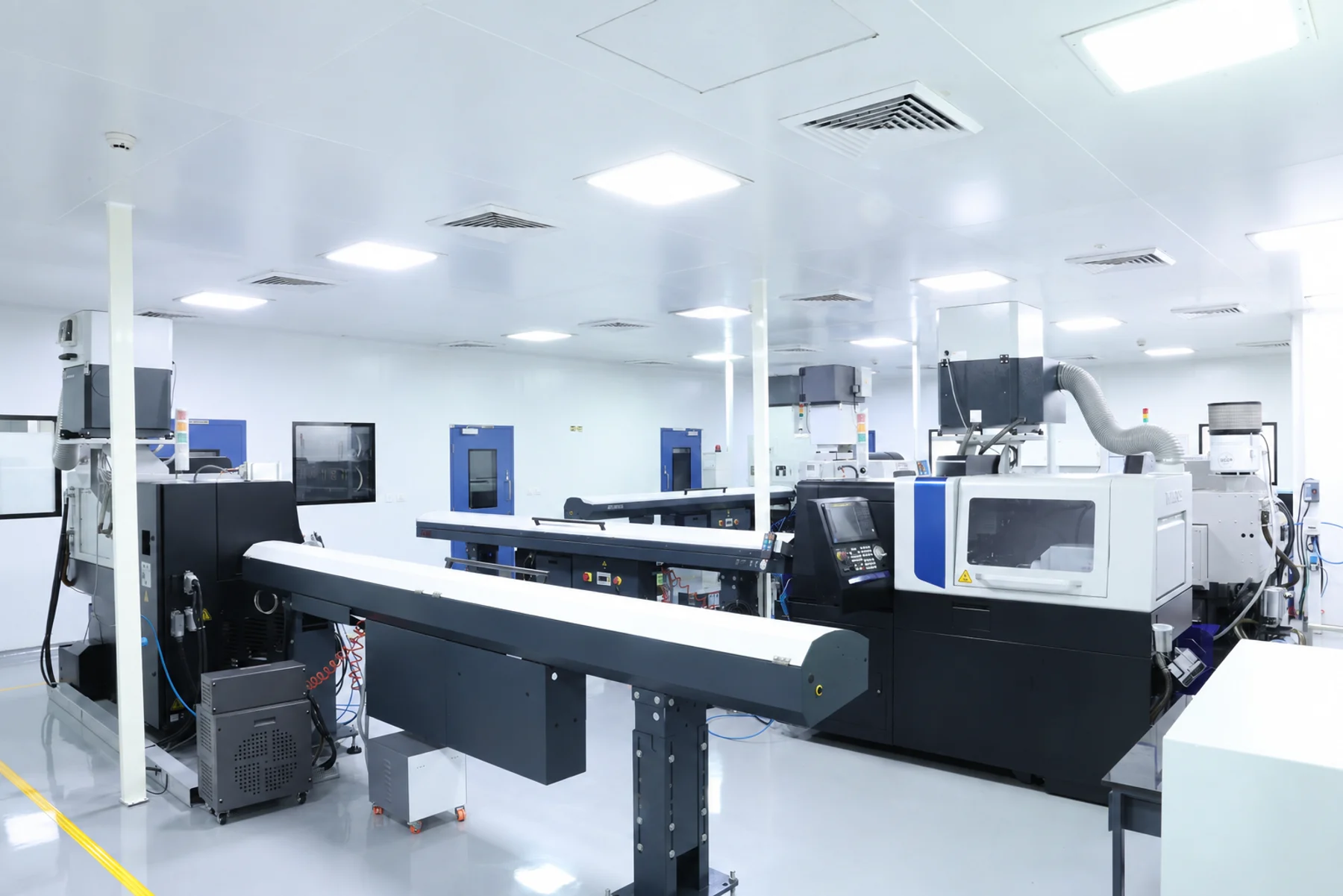
Implants are turned on sliding-head Swiss Tornos machines, the class of lathe used for small, high-tolerance medical parts, on our own floor rather than at a contract machinist.
Clean rooms, surface preparation, final cleaning
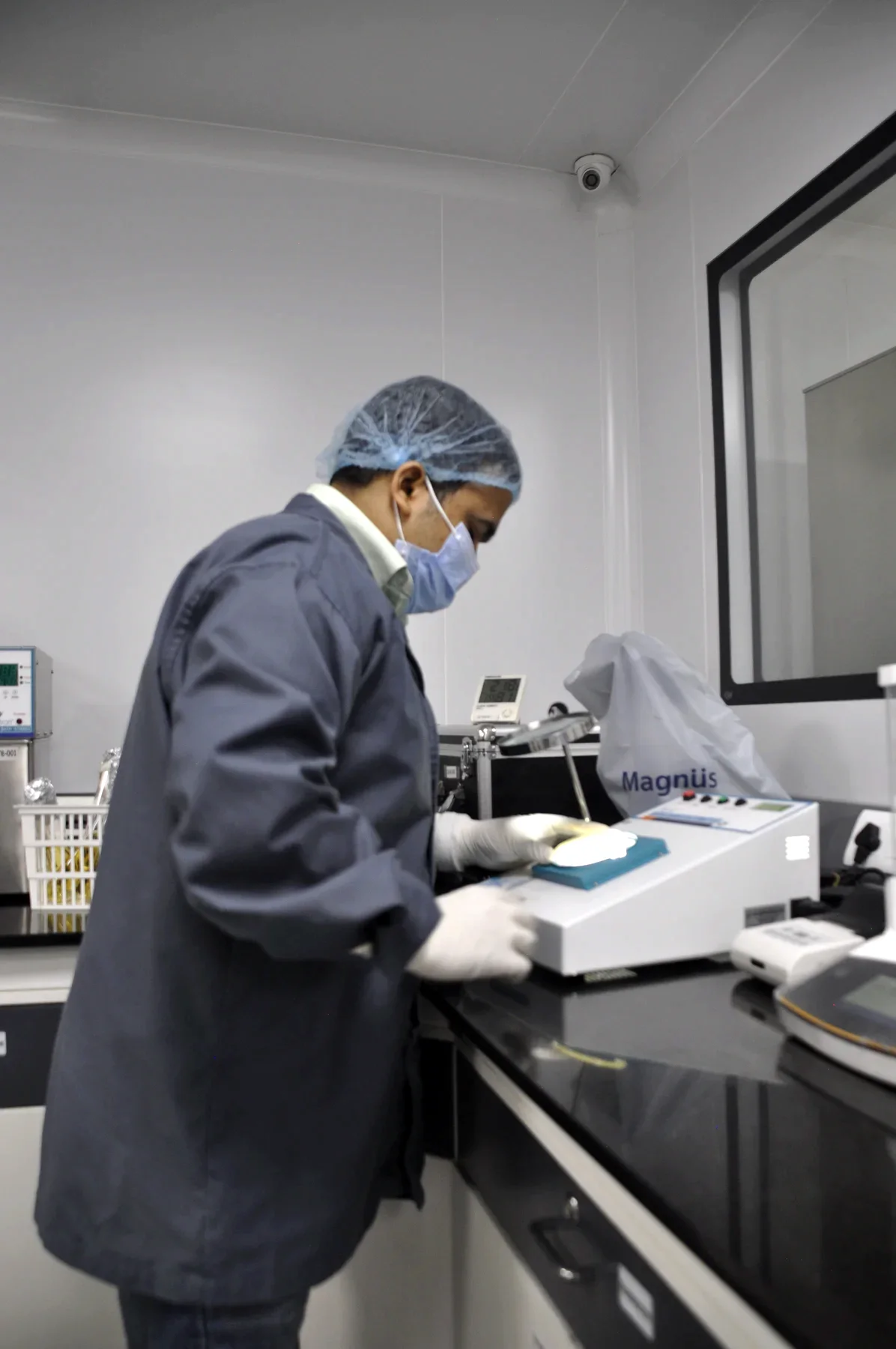
The 50,000 sq ft site in India holds the clean rooms, the surface preparation line and the final cleaning equipment together, so an implant does not leave controlled conditions between being machined and being packed.
Inspection in-house
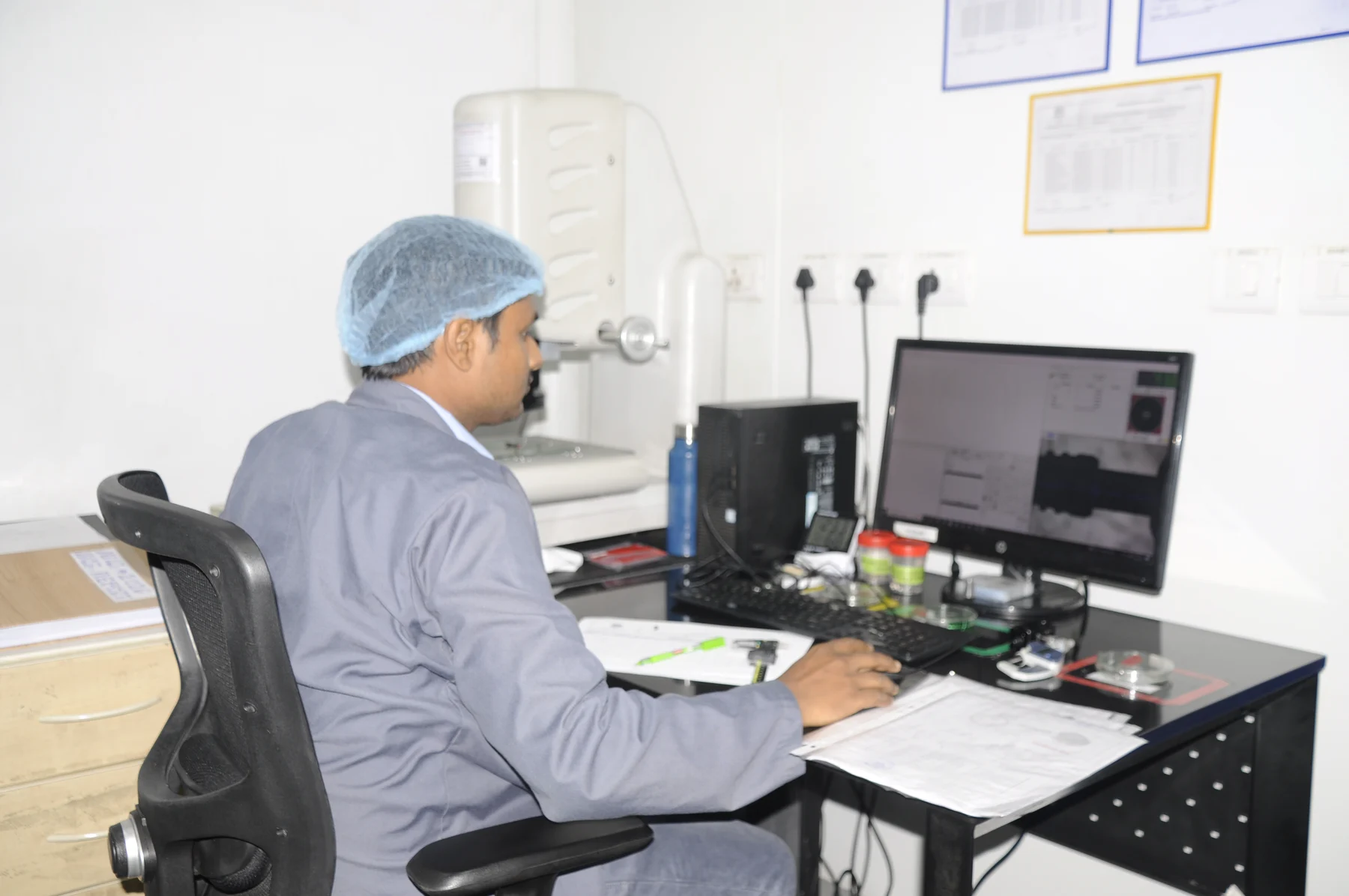
Dimensional inspection sits in the same building as the machines it checks. A part that measures out of tolerance is caught where it was made, not after it has shipped.
An on-premises digital laboratory
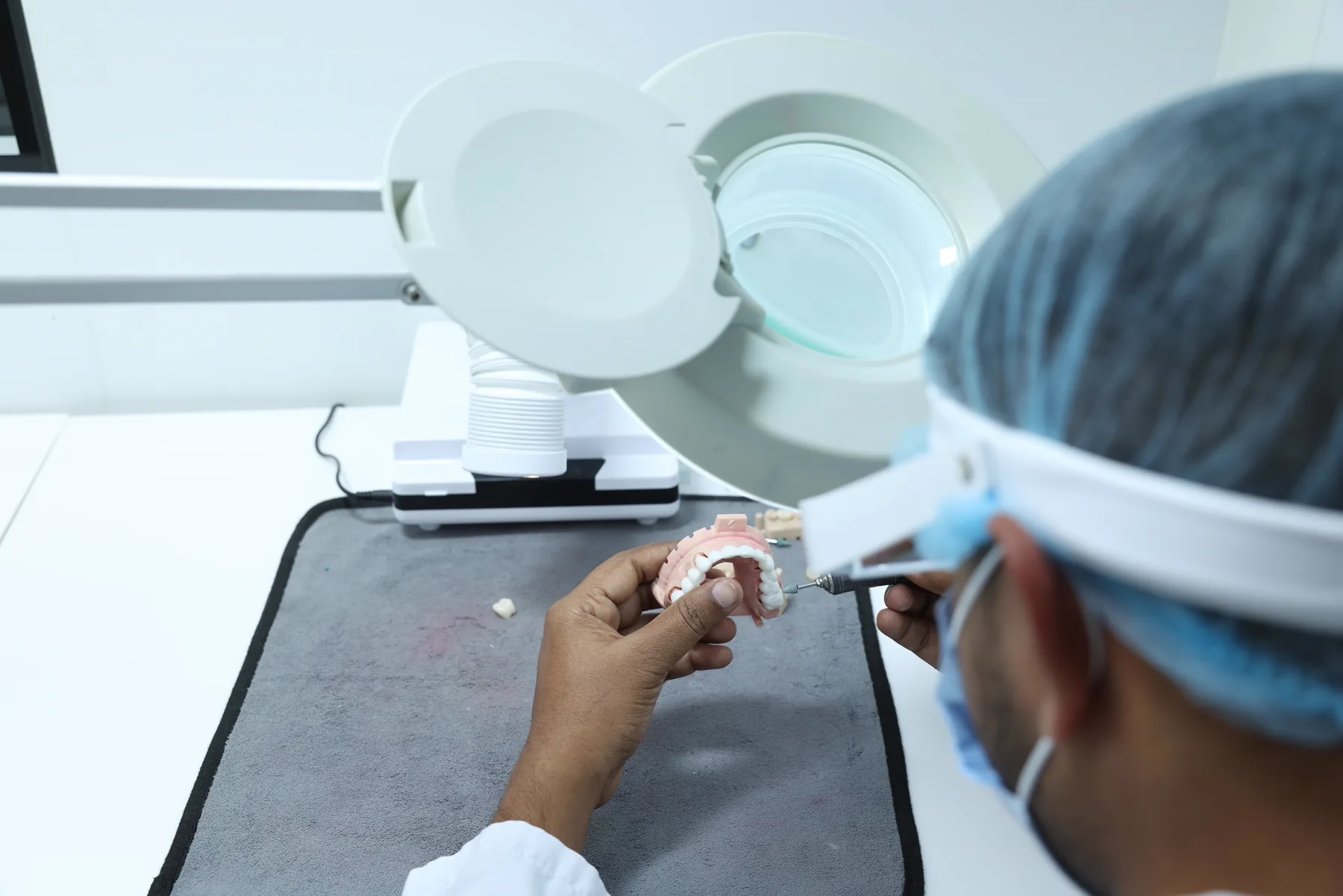
The digital dental laboratory is part of the same operation. Implant, prosthetic component and the restoration designed on top of them come from one roof, which is what makes the fit predictable.
05 Quality and conformity
Certificates and status.
Compliant to MDD 93/42/EEC as amended up to 2007/47/EC. EU MDR is under process, with compliance expected by the end of 2026.
- EN ISO 13485:2016 Quality management system
Certificate no. QMS-13-013-2021/C — issued by Procedo International Certification, valid until 01/09/2027.
- ISO 13485:2016 Quality management system · NABCB accredited
Certificate no. MD-QMS/91/R/N/2609/d — issued by Zenith Quality Assessors Pvt. Ltd. under NABCB accreditation, re-certified 22/07/2025, valid until 26/07/2028.
- MDD CE Certification Conformity · CE 2803 (MDR transition) · CE 1434 (MDD)
EC Certificate no. 1434-MDD-344/2021, Full Quality Assurance System under Directive 93/42/EEC, issued by the Polish Centre for Testing and Certification for dental implants and prosthesis, class IIb. Carried forward by HTCert confirmation IN_014458_2024_01 of 30 May 2024 under the EU MDR 2023/607 transition provisions.
Ask us the specification question
Torque, drill sequence, connection compatibility, material certificates for a tender: the people who answer these are the people who machine the parts. Send the question and it reaches them.