

i-Fix Biomaterials
Bonegraft
bone graft biomaterials.
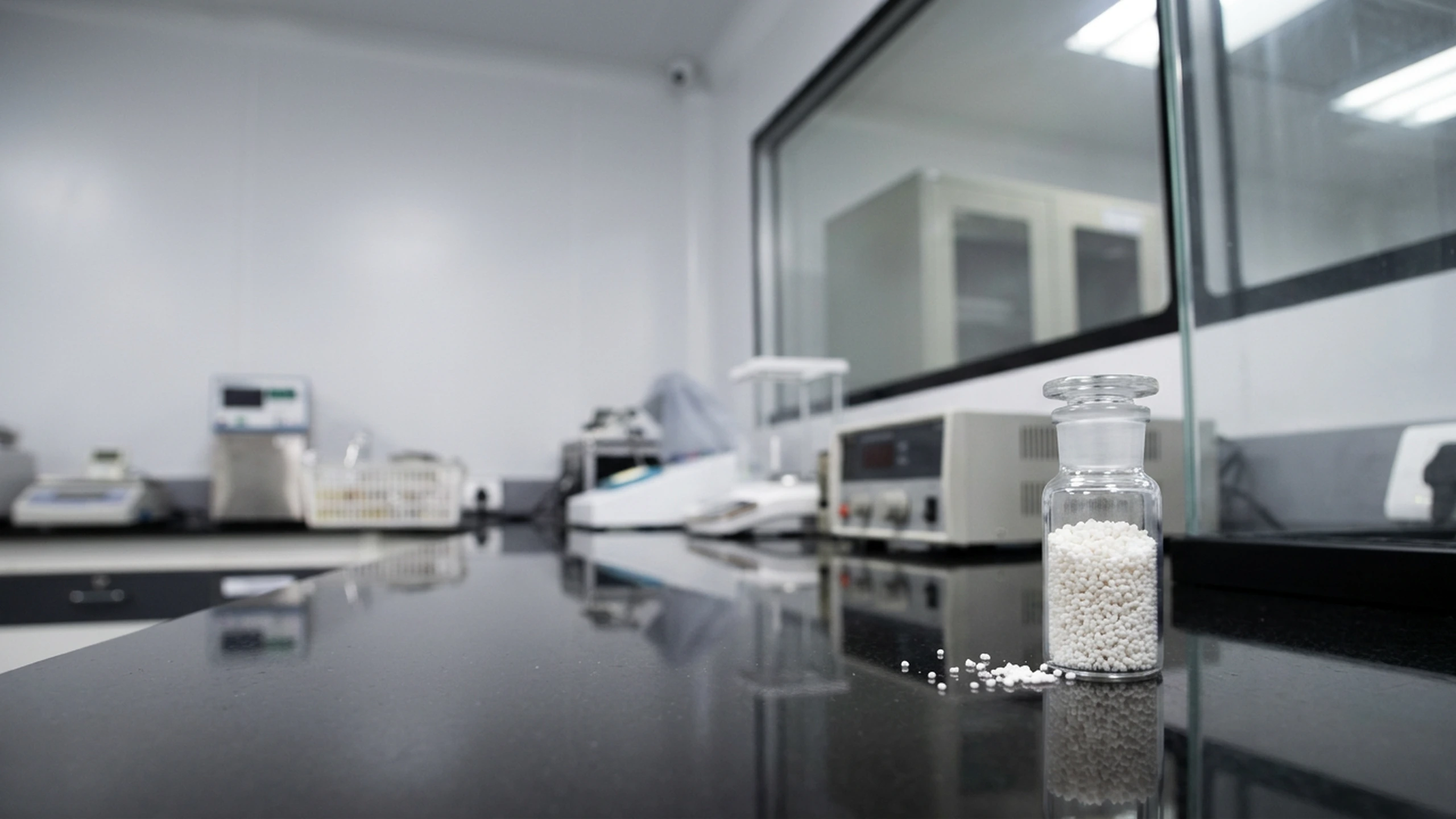
Alloplastic calcium phosphate bone void fillers for dental and maxillofacial defects — β-TCP and biphasic HA/β-TCP, supplied as granules, blocks, cylinders, sticks and wedges.
02 The range
The range.
Both are alloplastic calcium phosphate, and both resorb fully as the patient’s own bone replaces them.
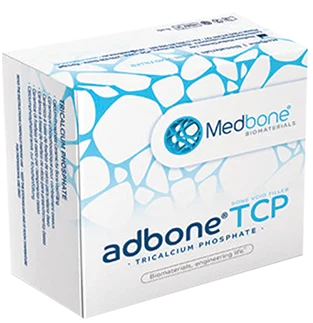
Pure β-TCP for dental and maxillofacial defects — no animal or human tissue derivatives, and no disease-transmission risk.
Available forms: Granules — 0.1–0.5 mm, 0.5–1 mm, 1–2 mm · Blocks — multiple dimensions · Cylinders
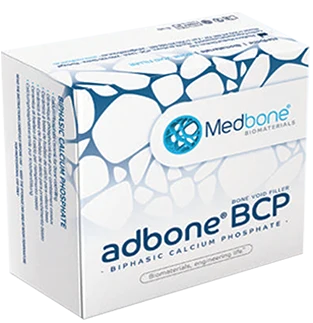
A synthetic biphasic (HA/β-TCP) graft material for augmentation and void-filling, balancing resorption rate with scaffold stability across a wider range of forms and pack sizes.
Available forms: Granules — 0.1–0.5 mm through 3–4 mm · Crunch — 4–7 mm · Blocks, cylinders, sticks, wedges — various dimensions
03 Porosity and pore size
Specifications.
Bonegraft's own published comparison against conventional synthetic grafts.
| Property | Bonegraft | Conventional grafts |
|---|---|---|
| Porosity | 80% | 45% |
| Pore size (90% of pores) | 400 µm | 50 µm |
| Mechanical resistance | 3.0 MPa | 0.5 MPa |
04 Forms
Available forms.
TCP granules run 0.1–0.5, 0.5–1 and 1–2 mm; BCP extends to 3–4 mm granules and 4–7 mm crunch, plus sticks and wedges. Full dimension and pack-size tables are in the brochure below.
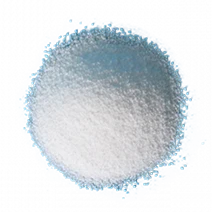
Granules 0.1–0.5 mm
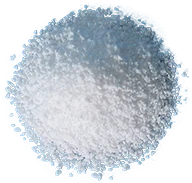
Granules 0.5–1 mm
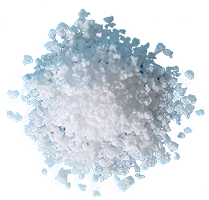
Granules 1–2 mm
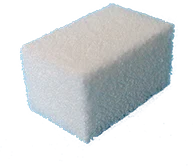
Blocks
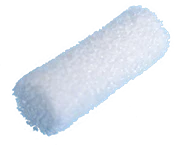
Cylinders
05 Chairside handling
Handling.
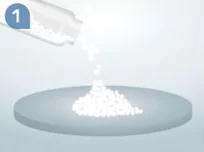
Pour the granules directly into the defect site.
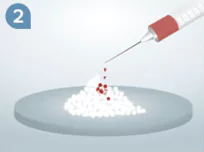
Mix with the patient’s own blood for easy handling.
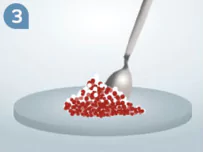
Pack and shape the graft to fill the void.
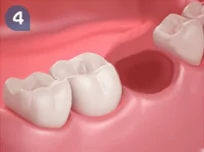
Condense to stabilize the graft before closure.
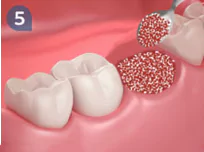
Close over the site — no membrane required unless exposure risk exists.
06 Why synthetic
Key properties.
Sourced from Kamal Medtech's own published biomaterials documentation.
- Fully synthetic — no animal or human tissue derivatives, no risk of disease transmission
- 100% resorbable, replaced by the patient’s own bone over time
- Mixes readily with patient blood for easy intraoperative handling
- Interconnected, multidirectional porosity guides three-dimensional bone regeneration
- Radiopaque — graft integration can be monitored on follow-up imaging
- No membrane required unless there is a specific risk of graft exposure
07 Documentation
Brochure.
Full specifications, sizing tables and case imagery.
Download the Bonegraft brochure →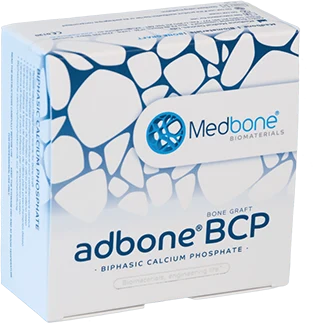
Choosing between TCP and biphasic for a case?
Send the defect type, the volume and whether the site is contained — the material and format recommendation comes back with the brochure page it sits on.