
On this page 8 sections
- What Zygomatic Implants Are
- Zygomatic Implants as a Graftless Alternative to Bone Grafting
- The i-Fix ZE Series Zygomatic Implant System
- A Zygomatic Implant Manufacturer in India
- Quad Zygoma and Full-Arch Treatment With Zygomatic Implants
- Published Survival Rates for Zygomatic Implants
- Ordering the ZE Series Zygomatic Implant System
- Frequently Asked Questions
Zygomatic implants are long dental implants that anchor in the zygomatic bone, the cheekbone, so that a patient with a severely atrophic maxilla can receive fixed teeth without bone grafting. i-Fix manufactures its own zygomatic implant system in India, the ZE Series, in twelve lengths from 30 to 62.5 mm, with its own multi-unit abutments and surgical kit. This guide explains where zygomatic implants fit, what the published studies report, and what the ZE Series gives a surgeon or a distributor who is choosing a system.
What Zygomatic Implants Are
A conventional implant sits wholly within the jaw. The bone-level implants in the i-Fix range are 7 to 20 mm long. A zygomatic implant, also called a zygoma implant, starts at the upper jaw and ends in the body of the zygomatic bone, so it is several times longer.
The reason for the design is the bone itself. The alveolar ridge resorbs once the teeth are lost, and the zygomatic bone is not part of that ridge. A patient with severe maxillary bone resorption, who would otherwise need a sinus lift or a block graft before any implant could be placed, can be treated with zygomatic dental implants anchored in bone that is already there. That is why the treatment is described as a graftless solution.
Zygomatic Implants as a Graftless Alternative to Bone Grafting
The International Team for Implantology (ITI) published a consensus report on zygomatic implants in 2023. It names four main indications:
- Maxillary bone atrophy or deficiency
- Previous treatment with grafts or implants that did not succeed
- A wish to avoid staged bone graft procedures
- Conditions that make conventional grafting difficult, such as benign cysts or trauma
The same report describes zygomatic implants as an alternative when part or all of the maxilla is missing after resection, trauma or a congenital defect.
It also asks for careful case selection. The report recommends a CT or CBCT scan that includes the midface, so that the maxillary and zygomatic bone and the health of the sinus can be judged in three dimensions, and it uses Cawood and Howell classes IV to VI to describe the degree of atrophy. It calls the procedure "a complex treatment" whose success is "highly dependent on the clinician skill and experience". Zygomatic implants are placed by surgeons who have trained specifically for them, and a reliable system with clear documents is part of that preparation.
The i-Fix ZE Series Zygomatic Implant System
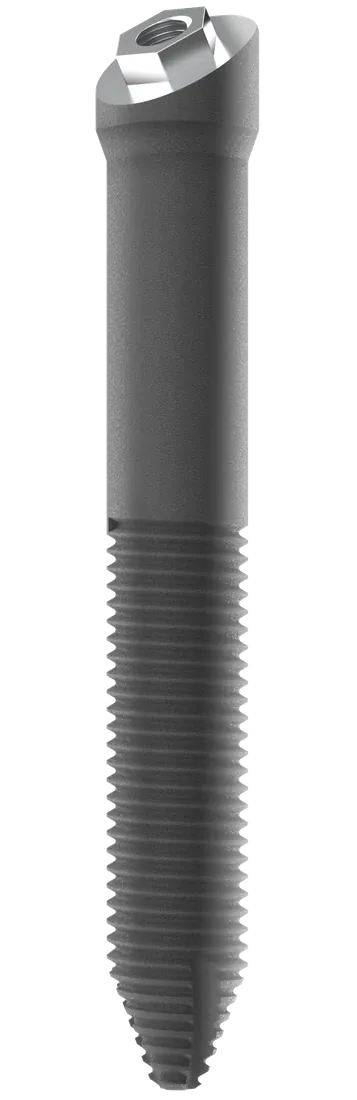
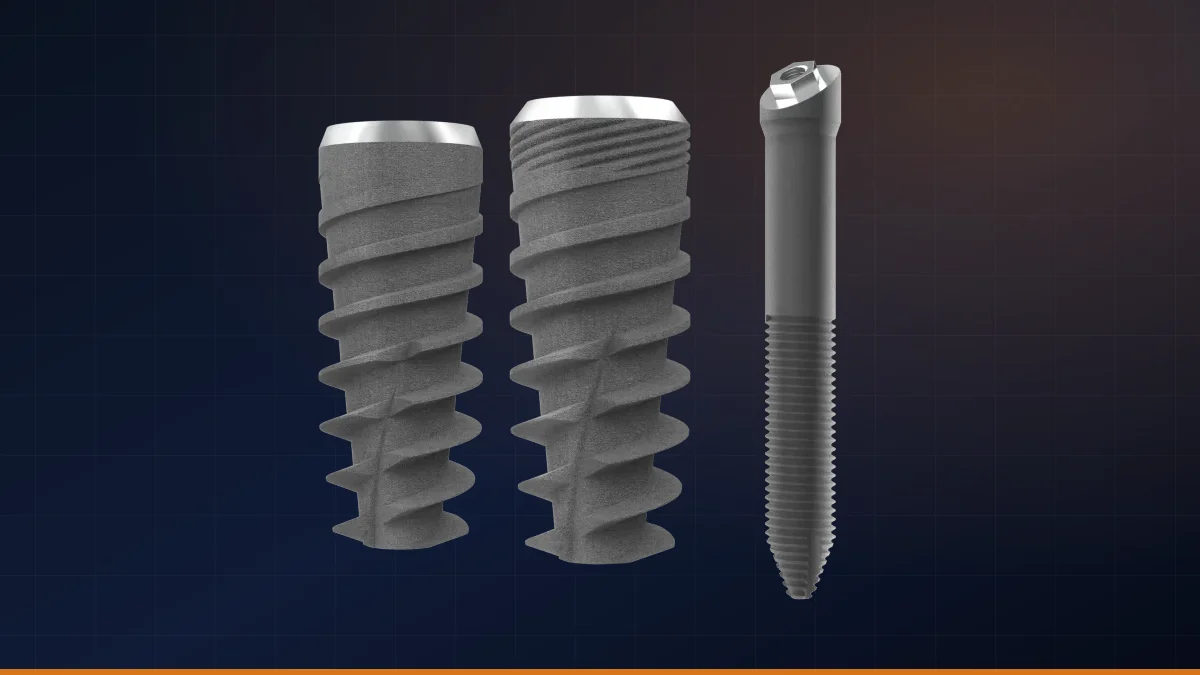
The ZE Series is the i-Fix zygomatic implant system for the treatment of the atrophic maxilla. Its catalog describes an apex designed for multicortical anchorage and high primary stability, which is what a fixed provisional prosthesis placed soon after surgery depends on.
| Specification | ZE Series |
|---|---|
| Diameter | Ø4.6 mm |
| Lengths | 12 lengths, 30 to 62.5 mm |
| Head | 55° angulated |
| Connection | External hex, 2.25 mm A/F, M1.6 screw |
| Material | ASTM F136 ELI Grade 5 titanium alloy |
| Surface | Nano Bio Activated surface, developed in Sweden |
| Supplied with | Mount and cover screw |
The catalog gives the alloy a minimum tensile strength of 860 MPa, with 10% elongation and an oxygen content of no more than 0.13%. The Nano Bio Activated surface is the same surface used across the i-Fix implant range, and it is made to help bone attach to the implant during healing.
Zygomatic Implant Lengths and Article Codes
The zygomatic bone sits at a different distance from the alveolar crest in every patient, so the range of zygomatic implant sizes matters more than it does for a conventional implant. The ZE Series steps in 2.5 mm increments from 40 mm upward, which lets the surgeon match the implant to the measured path closely.
| Length | Article code | Length | Article code |
|---|---|---|---|
| 30 mm | IZ460300 | 50 mm | IZ460500 |
| 35 mm | IZ460350 | 52.5 mm | IZ460525 |
| 40 mm | IZ460400 | 55 mm | IZ460550 |
| 42.5 mm | IZ460425 | 57.5 mm | IZ460575 |
| 45 mm | IZ460450 | 60 mm | IZ460600 |
| 47.5 mm | IZ460475 | 62.5 mm | IZ460625 |
Multi-Unit Abutments and the Zygomatic Surgical Kit
Zygomatic implants are restored through multi-unit abutments, which correct the angle of the implant so that a full-arch prosthesis can be screwed down along a sensible path. The ZE Series has its own set of eleven multi-unit components:
- Straight multi-unit abutments with 1 mm and 2 mm collars (IZMUA10, IZMUA20)
- Angled multi-unit abutments at 17° and 25°, each with a 3 mm collar (IZ17MUA30, IZ25MUA30)
- Healing cap, temporary coping and castable sleeve (IZHCMUA, IZTCMUA, IZCSPMUA)
- Open tray impression coping and abutment analog (IZOTIMUA, IZAAMUA)
- Prosthetic screw, M1.4 mm, and abutment screw, M1.6 mm (IZPSMUA, IZASMUA)
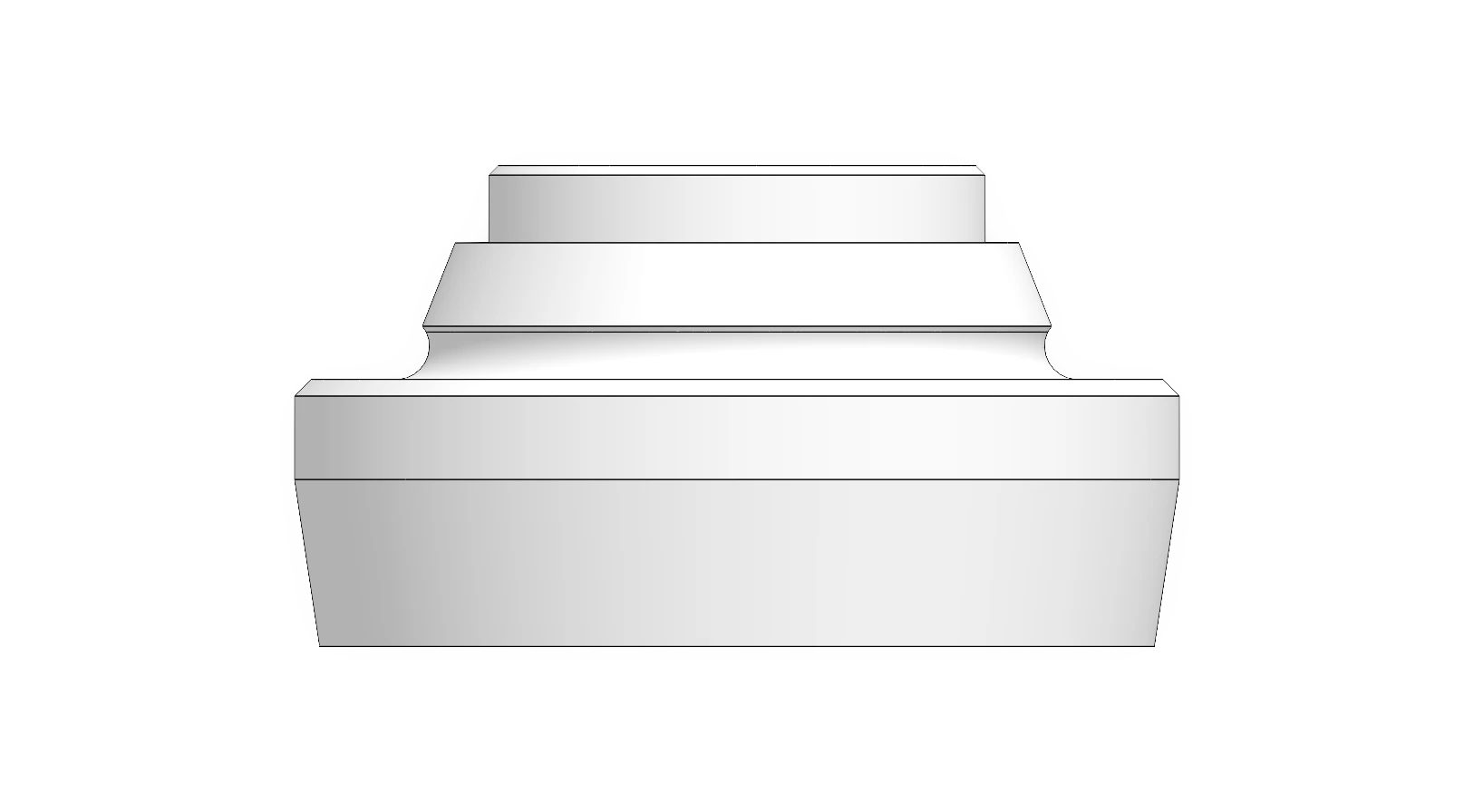
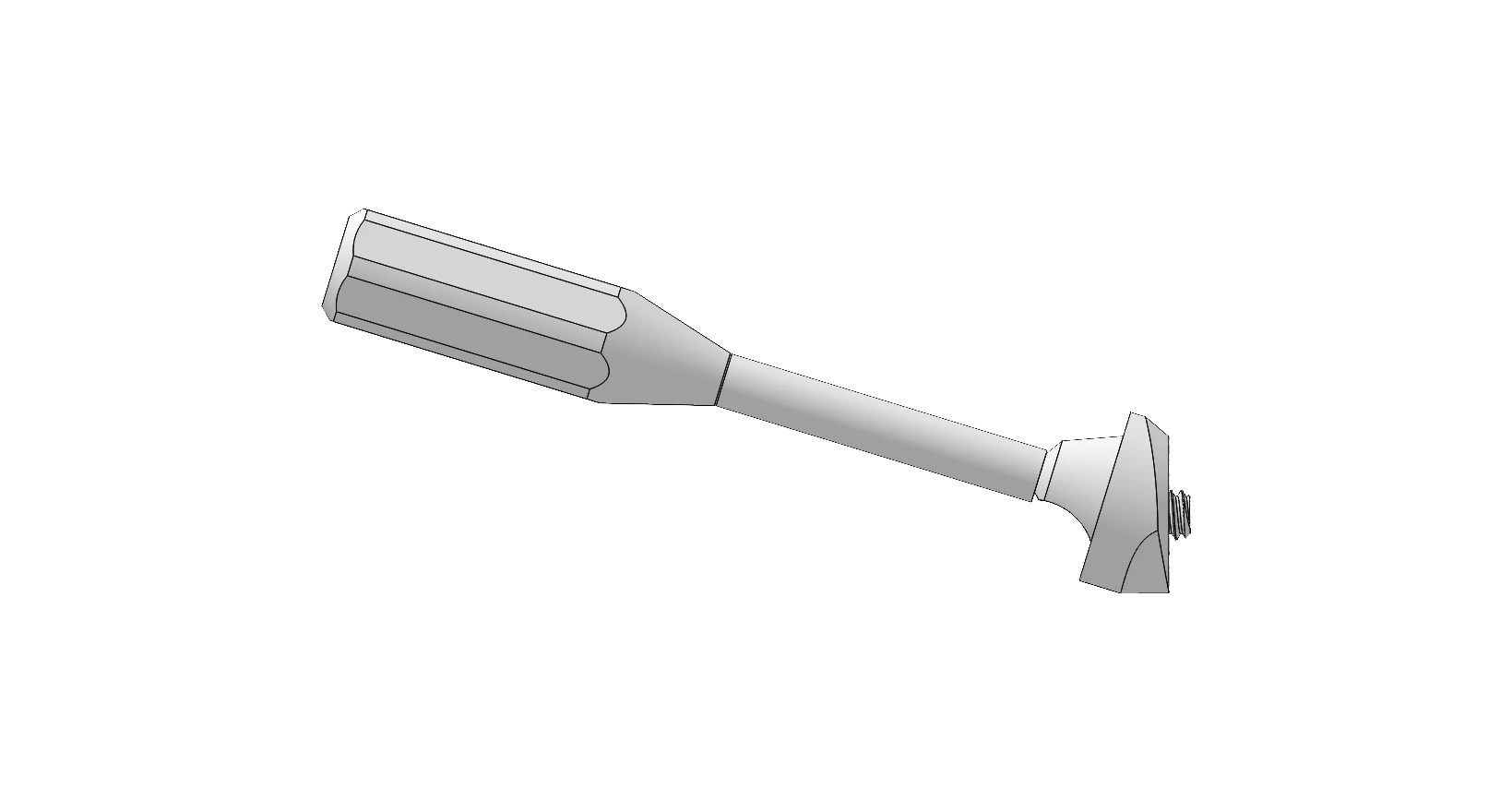
These components fit the ZE connection only. They are not interchangeable with the NP or RP parts used on the other i-Fix series.
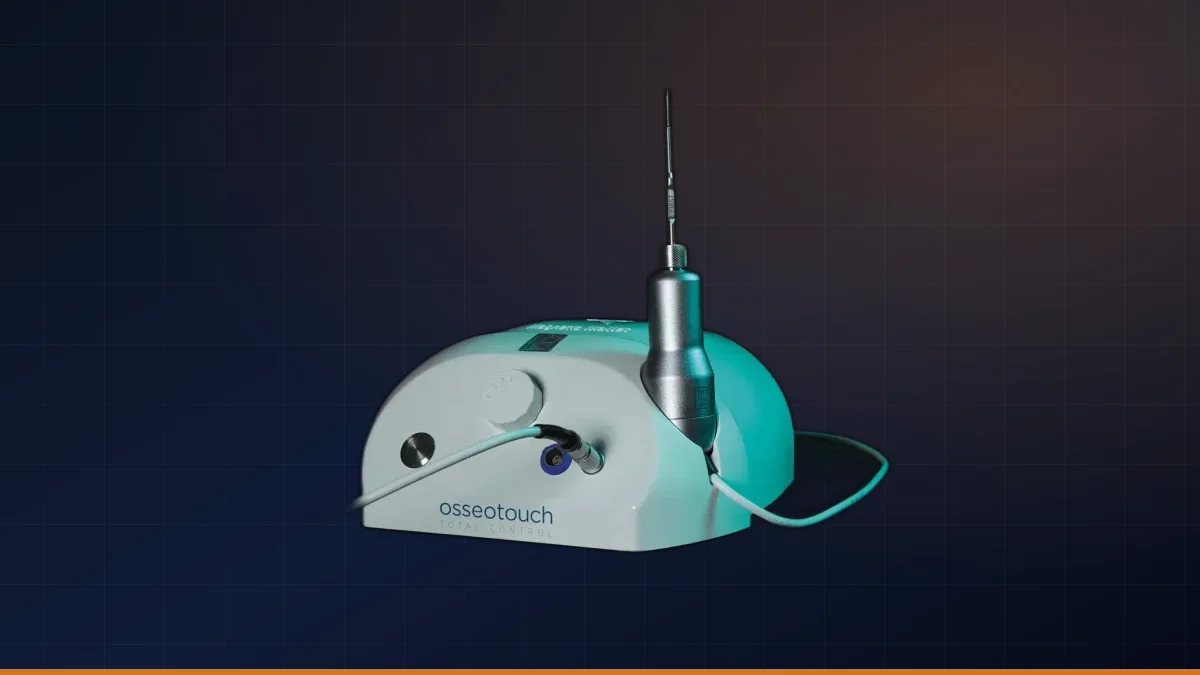
The system has its own zygomatic surgical kit as well. The drilling sequence is given in the ZE Series catalog and the Instructions for Use (IFU-03-050320, Rev-01), and those documents are the reference for surgery.
A Zygomatic Implant Manufacturer in India
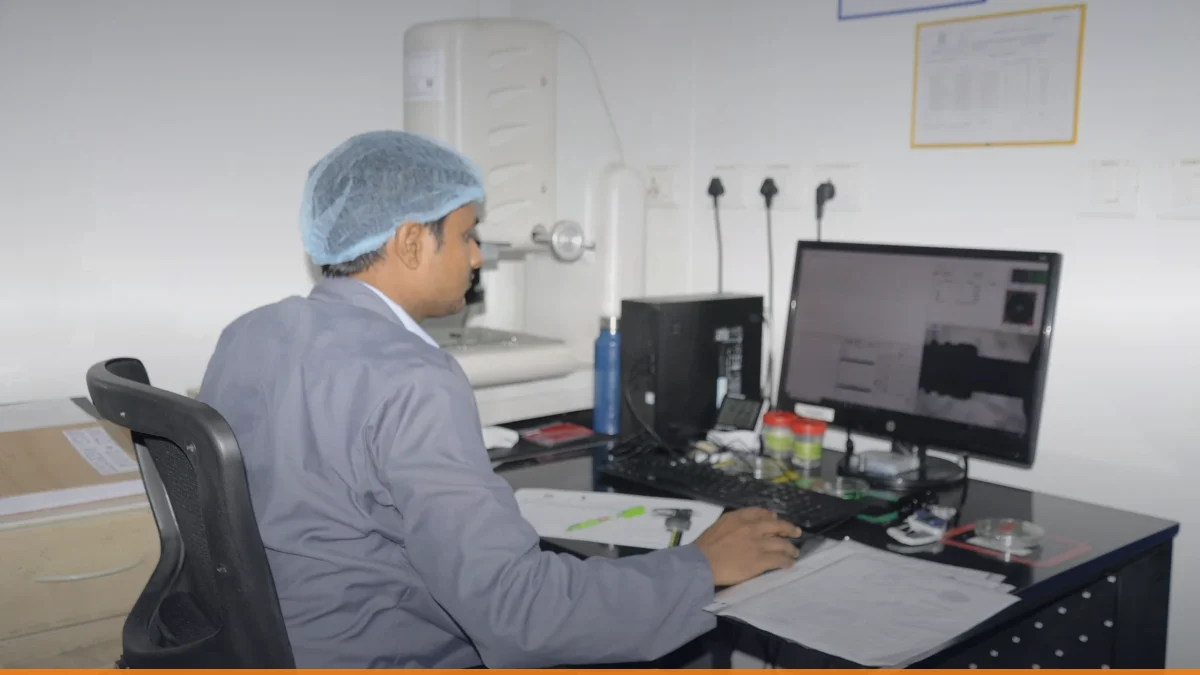
The ZE Series is manufactured in India by Kamal Medtech, the company behind the i-Fix dental implant range. The implants are made under an EN ISO 13485:2016 certified quality system and are CE marked (notified body 2803). The parent company, Kamal Encon Industries Limited, has been in continuous operation since 1973.
For a surgeon or a distributor in India, this means the zygomatic implant, its multi-unit abutments, its surgical kit, its catalog and its Instructions for Use all come from one manufacturer that can be reached directly. A question about a length, a component or a document goes to the product team that makes the part.
Quad Zygoma and Full-Arch Treatment With Zygomatic Implants
The original arrangement uses one zygomatic implant on each side, combined with conventional implants in the front of the maxilla. Where there is too little bone at the front as well, two zygomatic implants can be placed on each side. This is the quad zygoma approach, and the ITI report accepts it when conventional implants cannot be placed in either the posterior or the anterior maxilla. It adds one condition that applies to every full-arch zygomatic case: all the implants should be splinted together.
The surgical path has changed too. In the original technique the implant crosses the maxillary sinus. Since 2011 the zygoma anatomy-guided approach, known as ZAGA, has chosen the path to suit the anatomy of each patient. In the ITI analysis, pooled sinusitis rates were 9.5% for the original technique and 4.4% for the anatomy-guided approach.
Published Survival Rates for Zygomatic Implants
| Measure | Reported figure | Source |
|---|---|---|
| Implant survival | 96.2% over a mean follow-up of 6.3 years (1,349 implants, 623 patients) | ITI consensus, 2023 |
| Implant survival, earlier review | 95.21% cumulative over 12 years (4,556 implants, 2,161 patients) | Chrcanovic et al., 2016 |
| Survival with immediate loading | 98.1% over a mean of 73.6 months | ITI consensus, 2023 |
| Survival with delayed loading | 95% over a mean of 69.3 months | ITI consensus, 2023 |
| Prosthesis survival | 94% at a mean of 76 months | ITI consensus, 2023 |
Immediate loading means fitting a fixed provisional bridge at or soon after surgery. The ITI report found survival slightly higher with immediate loading than with delayed loading, provided the implants achieve adequate primary stability.
Sinusitis is the complication to plan around. The 2021 overview by Ramezanzade and colleagues reports a pooled rate of 2.4%. The ITI report, which looks at longer-term case series, puts the total prevalence at 14.2% over a mean follow-up of 65.4 months, and notes that it was treated successfully with antibiotics or a surgical meatotomy in the series that reported it. Other reported complications include temporary numbness in the area of the infraorbital nerve and oro-antral communication.
Ordering the ZE Series Zygomatic Implant System
Every ZE Series implant and multi-unit component is listed with its article code on the i-Fix website and can be added to an order from the ZE Series page or the Order Desk. The catalog and the Instructions for Use are available on the downloads page.
Distributors who want to add a zygomatic implant system to their range, and surgeons who would like the catalog or help choosing lengths for a case, can contact the i-Fix product team directly. Please name the ZE Series or the article code in your message, and the team will reply with specifications and availability.
Frequently Asked Questions
What sizes does the ZE Series zygomatic implant come in?
One diameter, Ø4.6 mm, in twelve lengths from 30 to 62.5 mm, stepping in 2.5 mm increments from 40 mm. Article codes run from IZ460300 to IZ460625.
Are ZE Series components interchangeable with NP or RP parts?
No. The ZE Series has its own external hex connection, 2.25 mm across flats with an M1.6 screw, and its own set of eleven multi-unit components. They do not fit the NP or RP implants in the range.
What is the survival rate of zygomatic implants?
The 2023 ITI consensus report gives 96.2% over a mean follow-up of 6.3 years, across 1,349 implants in 623 patients. That figure describes zygomatic implants as a class across many brands. No clinical series has been published for the ZE Series itself.
Can zygomatic implants replace bone grafting?
In the right patient, yes. The ITI report lists maxillary atrophy, failed previous grafts and a wish to avoid staged grafting among the main indications, and asks for CT or CBCT planning of the midface before treatment.