
On this page 10 sections
- Why "Made in India" Is the Start of the Question
- The Manufacturing Licence Under India's Medical Device Rules
- The Quality System Certificate: ISO 13485
- CE Marking and the Notified Body Number
- The Titanium Grade and What It Means
- The Implant Surface and Who Developed It
- Instructions for Use, Catalogs and Drilling Protocols
- Prosthetic Components and Continuity of Supply
- Requesting the i-Fix Document Pack
- Frequently Asked Questions
Choosing a dental implant manufacturer in India is easier when you know which documents to ask for. A reliable manufacturer can show you its manufacturing licence, its quality system certificate, its CE conformity papers, the grade of titanium it uses and the Instructions for Use for every implant it sells. Each of these can be checked by number. This guide explains what each document proves and how to read it, using the i-Fix range from Kamal Medtech as the worked example.
Why "Made in India" Is the Start of the Question
Made in India dental implants range from systems with full documentation behind them to products that are imported, relabelled and sold under a local name. The country of origin tells you where the business is registered. It does not tell you where the implant was machined, who controls its quality or whether the paperwork will satisfy a regulator in your market. The documents below answer those questions, and a trusted manufacturer will send them without hesitation.
The Manufacturing Licence Under India's Medical Device Rules
In India, medical devices are regulated under the Medical Device Rules, 2017. A company that manufactures higher-risk devices needs a manufacturing licence issued on Form MD-9 by the Central Licensing Authority. This licence is the first thing to ask for, because it shows that the company is licensed to make the device itself rather than only to sell it.
Kamal Medtech holds a Form MD-9 manufacturing licence. It is not published on the website, but it is sent to distributors as part of the document pack for their own market registration.
The Quality System Certificate: ISO 13485
ISO 13485 is the international standard for quality management in medical device manufacturing. It covers how a manufacturer designs, makes, inspects and traces its products, and how it handles a complaint. When a manufacturer says it is ISO certified, ask for the certificate number, the body that issued it and the date it expires. A certificate that has lapsed, or one whose scope does not include dental implants, does not cover the product you are buying.
| Standard | Certificate number | Issued by | Valid until |
|---|---|---|---|
| EN ISO 13485:2016 | QMS-13-013-2021/C | Procedo International Certification | 01/09/2027 |
| ISO 13485:2016 (NABCB accredited) | MD-QMS/91/R/N/2609/d | Zenith Quality Assessors Pvt. Ltd. | 26/07/2028 |
NABCB is the National Accreditation Board for Certification Bodies, India's accreditation board. A certificate issued under NABCB accreditation comes from a certification body that has itself been assessed.
CE Marking and the Notified Body Number
A CE mark on a dental implant means a notified body, an organisation appointed by the European Union, has assessed the manufacturer against EU medical device law. Every notified body has a four-digit number, and that number should appear next to the CE mark. A CE mark with no number on an implant is a reason to ask more questions.
i-Fix dental implants carry two CE documents, and it helps to know why. The EC certificate, number 1434-MDD-344/2021, was issued under the older Medical Device Directive 93/42/EEC by the Polish Centre for Testing and Certification, notified body 1434, for dental implants and prosthesis in class IIb. The EU then gave devices certified under that directive more time to move to the newer Medical Device Regulation, through Regulation (EU) 2023/607. HTCert, notified body 2803, confirmed that status for these devices in confirmation IN_014458_2024_01, dated 30 May 2024. That is why the current CE mark on i-Fix products reads 2803.
The Titanium Grade and What It Means
Most two-piece dental implants are made from titanium, but titanium comes in several grades. The specification to look for is the standard the material is bought and tested against. i-Fix implants are made from ASTM F136 ELI Grade 5 titanium alloy. ELI stands for extra low interstitial, which means the oxygen and other elements that make titanium more brittle are held to tighter limits.
| Property | Value |
|---|---|
| Material standard | ASTM F136 ELI Grade 5 titanium alloy |
| Minimum tensile strength | 860 MPa |
| Elongation | 10% |
| Oxygen content | No more than 0.13% |
These values are printed in the ZE Series catalog. Every two-piece i-Fix body is machined from the same ASTM F136 ELI alloy. A manufacturer that names the standard can answer a question about strength or composition with a number. One that only says "medical grade titanium" is asking you to take the material on trust.
The Implant Surface and Who Developed It
The surface of an implant is treated to help bone attach to it during healing, and it is one of the places where manufacturers differ. Ask what the surface treatment is, who developed it and where. The i-Fix implant range uses the Nano Bio-Activated surface, developed with Psilox AB in Uppsala, Sweden. A named surface with a named development partner is something you can look into for yourself.
Instructions for Use, Catalogs and Drilling Protocols
Every implant should come with Instructions for Use, the regulated document that sets out indications, contraindications, handling and sterility. Each one carries a document number and a revision, so you can confirm that the copy you hold is current. The i-Fix IFUs carry document number IFU-03-050320, Rev-01, and every series also has a published catalog with its sizes, article codes and drilling sequence.
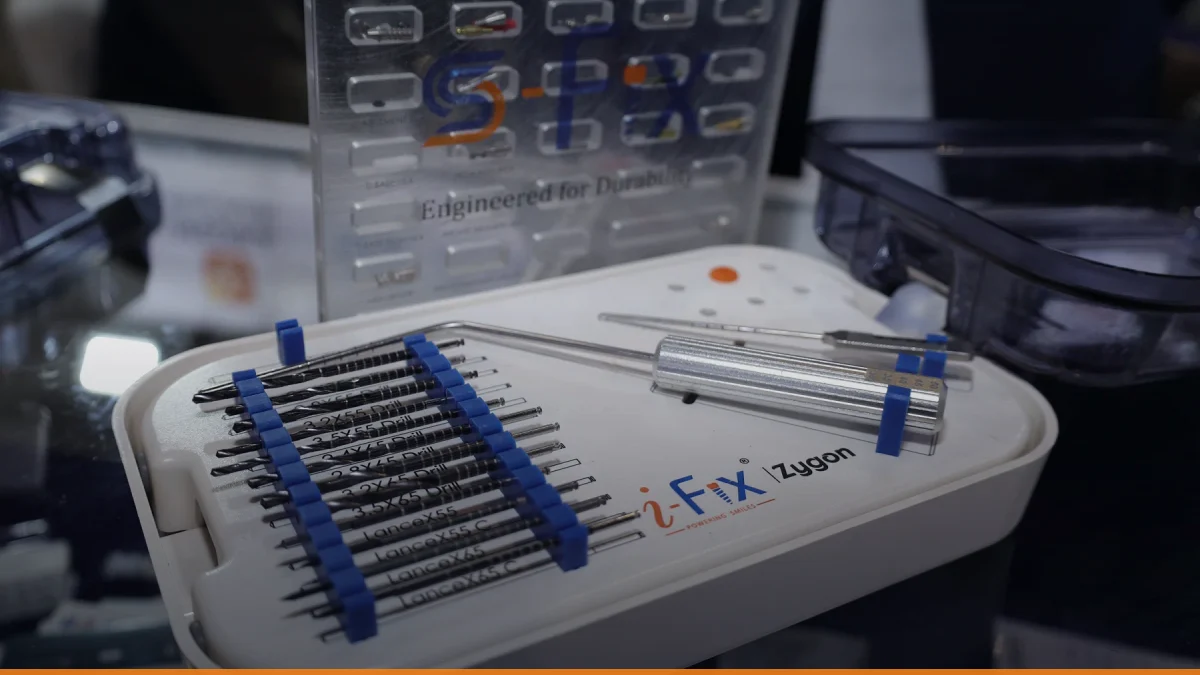
For a clinician the drilling protocol matters as much as the implant. A manufacturer that publishes its drill sequence by diameter and bone density has thought through how its implant is placed, which gives you a reliable starting point for the first case.
Prosthetic Components and Continuity of Supply
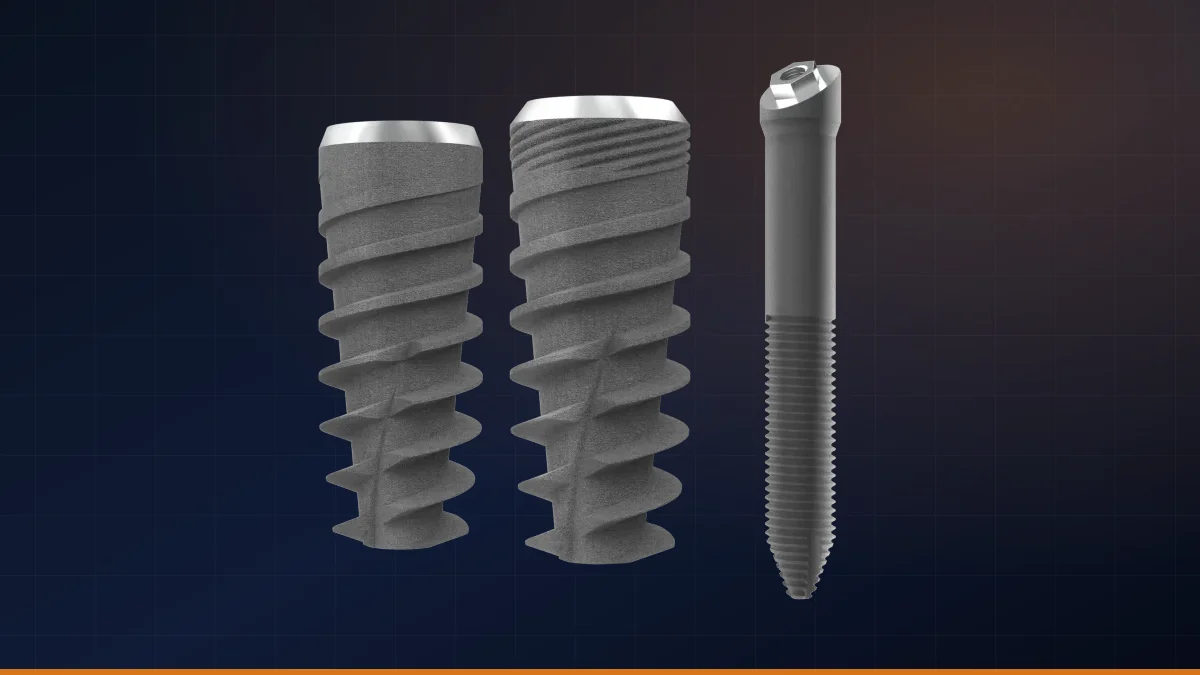
An implant is placed once, but its abutments, healing caps, impression copings and screws are ordered for as long as the patient keeps the restoration. Before committing to a system, ask for the full component list against each connection platform, with article codes. The i-Fix range is built on a small number of connections: the NP connection (2.25 mm across flats, 12°/side Morse taper, M1.6 screw) and the RP connection (2.50 mm across flats, 11°/side Morse taper, M2.0 screw) carry most of the bone-level series, so a clinic stocking one platform has fewer component drawers to keep full.
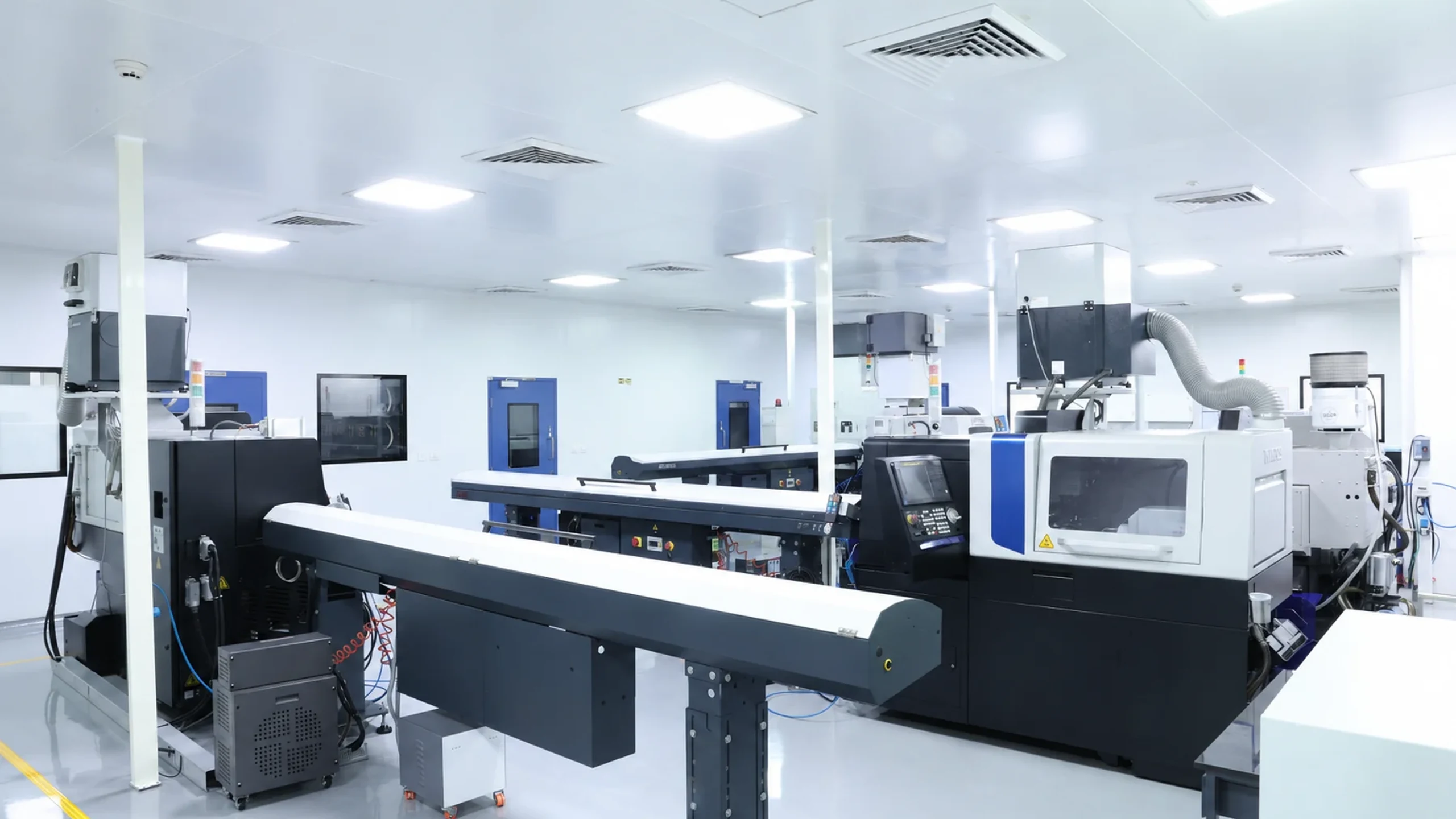
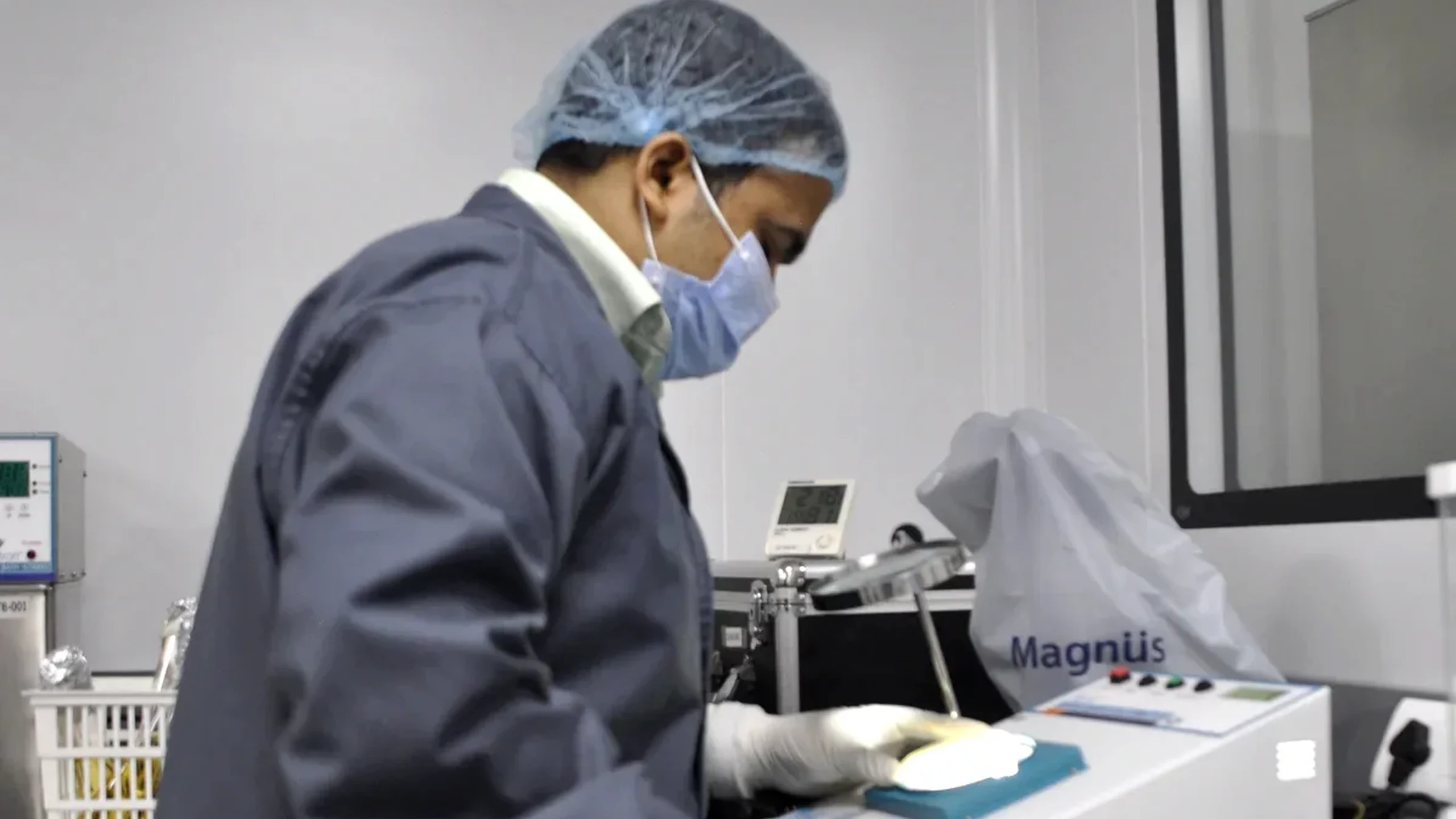
Ask too which steps of manufacture happen at the manufacturer's own facility. i-Fix implants are machined, cleaned, inspected and packed at one site in India, so a question about a dimension or a batch goes to the people who made the part.
Requesting the i-Fix Document Pack
Distributors and clinics can request every document named in this guide from the i-Fix team. The catalogs and IFUs are available to download now. The certificates can be viewed on the About page, and the full pack, including the manufacturing licence, is sent on request for market registration. Please tell us which series you are interested in and the market you are registering in, and we will send what you need.
Frequently Asked Questions
Are i-Fix dental implants made in India?
Yes. i-Fix implants are manufactured by Kamal Medtech, and every implant is machined, cleaned, inspected and packed at one site in India.
Which notified body is on the i-Fix CE mark?
Notified body 2803, HTCert, which confirmed the devices under the EU MDR transition in May 2024. The original EC certificate under the Medical Device Directive was issued by notified body 1434, the Polish Centre for Testing and Certification.
Which ISO 13485 certificates does Kamal Medtech hold?
Two: EN ISO 13485:2016 certificate QMS-13-013-2021/C from Procedo International Certification, valid until 01/09/2027, and ISO 13485:2016 certificate MD-QMS/91/R/N/2609/d from Zenith Quality Assessors under NABCB accreditation, valid until 26/07/2028.
How can a distributor get the i-Fix document pack?
Catalogs and IFUs can be downloaded from the downloads page. The certificates are viewable on the About page, and the full pack including the Form MD-9 manufacturing licence is sent on request for market registration.